[SPACE]
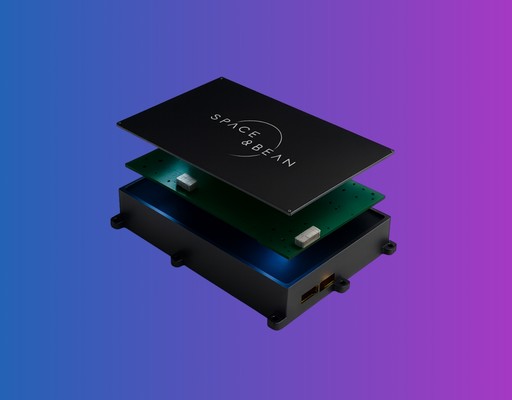
South Korean space-tech startup SPACE & BEAN wants to make small-satellite hardware a whole lot cheaper—and it’s taking a decidedly engineering-first approach to get there. The company has developed a space-grade enclosure system that allows commercial off-the-shelf (COTS) electronic components to reliably survive the brutal conditions of orbit.
Think of it less like a protective box and more like a miniaturized, simulation-driven survival chamber. The enclosure is engineered through integrated thermal, structural, and radiation analyses, meaning every design decision is optimized to help conventional electronics endure extreme temperatures, mechanical loads, and radiation exposure that typically require far pricier space-qualified components.
If it works at scale, SPACE & BEAN ’s platform could give satellite developers a way to swap expensive space-grade electronics for cheaper COTS parts, cutting not only hardware costs but also development cycles and payload weight - three things smallsat teams are constantly fighting.
The startup has already begun proving it outside its home market. SPACE & BEAN recently completed a technology validation project with a space component developer in Denver, putting its enclosure system through early testing pipelines. According to the company, the results showed that COTS components housed in its enclosure performed with stability levels comparable to traditional space-grade solutions.
The U.S. industry seems to be paying attention. During recent meetings in Silicon Valley with satellite manufacturers, component suppliers, and emerging space players, the company says interest was “strong and immediate,” reflecting a broader trend: the American space sector is aggressively exploring COTS-based architectures to reduce build costs for constellation-scale missions.
As the push toward lower-cost, higher-volume satellite production accelerates, technologies that boost COTS reliability are becoming a hot commodity. That’s especially true for startups building constellations in LEO and MEO, where radiation exposure and thermal cycling remain major design pain points.
SPACE & BEAN positions its enclosure not as a one-size-fits-all shield but as a customizable engineering stack that can be tuned to mission requirements—thermal loads, orbital profile, and expected lifespan. That flexibility could help the company stand out in a market dominated either by premium aerospace suppliers or low-end protective housings that don’t meaningfully extend component survivability.
With validation underway and U.S. conversations expanding, SPACE & BEAN is now preparing for additional pilot collaborations and deeper integration testing. The company believes its approach can become a cost-saving lever for next-generation small satellite missions, especially as commercial operators increasingly look beyond traditional space-grade parts.
Whether SPACE & BEAN becomes a staple of the New Space supply chain remains to be seen, but one thing is clear: as COTS adoption accelerates, engineering-driven reliability solutions like this are set to become critical—if not unavoidable—for the next wave of satellite builders.
──────────────
SPACE & BEAN, 엔지니어링 기반 COTS-to-Space 인클로저 기술 공개…미국 시장의 주목을 끌다
한국의 우주기술 스타트업 스페이스앤빈이 소형 위성 하드웨어 비용을 획기적으로 낮추기 위해 ‘엔지니어링 중심 접근 방식’을 내세우며 주목받고 있다. 이 회사는 상용 기성품(COTS, Commercial Off-The-Shelf) 전자 부품이 우주 환경에서도 안정적으로 작동할 수 있도록 하는 Space급 인클로저 시스템을 개발했다.
이 기술은 단순한 보호용 케이스라기보다, 시뮬레이션 기반으로 설계된 ‘초소형 생존 환경’에 가깝다. 열, 구조, 방사선 해석이 통합된 엔지니어링 설계를 통해, 극한의 온도 변화, 기계적 하중, 방사선 환경에서도 일반 전자 부품이 견딜 수 있도록 최적화되어 있다. 이는 기존에 고가의 우주 인증 부품이 필요했던 영역을 대체할 수 있는 가능성을 제시한다.
이 기술이 상용화된다면, 위성 개발사들은 비용이 높은 우주 등급 부품 대신 COTS 부품을 활용할 수 있게 되며, 하드웨어 비용 절감은 물론 개발 기간 단축과 페이로드 무게 감소라는 세 가지 핵심 과제를 동시에 해결할 수 있을 것으로 기대된다.
스페이스앤빈은 이미 국내를 넘어 기술 검증을 시작했다. 최근 미국 덴버의 우주 부품 개발사와 협력하여 해당 인클로저 시스템의 기술 검증 프로젝트를 수행했으며, 초기 테스트 결과 인클로저에 탑재된 COTS 부품이 기존 Space급 솔루션과 유사한 수준의 안정성을 보인 것으로 확인됐다.
미국 시장의 반응도 긍정적이다. 실리콘밸리에서 진행된 위성 제조사, 부품 공급업체, 뉴스페이스 스타트업들과의 미팅에서 해당 기술에 대한 관심이 “즉각적이고 강하게” 나타났다고 스페이스앤빈은 전했다. 이는 미국 우주 산업 전반에서 비용 절감을 위해 COTS 기반 아키텍처를 적극적으로 도입하려는 흐름과 맞닿아 있다.
저비용·대량 위성 생산으로의 전환이 가속화됨에 따라, COTS 부품의 신뢰성을 확보하는 기술은 점점 더 중요해지고 있다. 특히 저궤도(LEO) 및 중궤도(MEO) 위성 군집 구축을 추진하는 기업들에게 방사선과 열 사이클링 문제는 여전히 주요 설계 과제로 남아 있다.
스페이스앤빈은 자사의 인클로저를 단일 표준 제품이 아닌, 미션 요구사항에 맞춰 조정 가능한 ‘엔지니어링 플랫폼’으로 포지셔닝하고 있다. 열 부하, 궤도 환경, 목표 수명 등 다양한 조건에 따라 설계를 최적화할 수 있다는 점에서, 고가의 항공우주 부품 공급업체와 단순 보호 구조물 사이에서 차별화된 경쟁력을 확보할 수 있을 것으로 기대된다.
현재 기술 검증이 진행 중인 가운데, 스페이스앤빈은 추가적인 파일럿 협업과 심화된 통합 테스트를 준비하고 있다. 스페이스앤빈은 이러한 접근 방식이 차세대 소형 위성 미션에서 중요한 비용 절감 수단이 될 수 있을 것으로 보고 있다. 특히 상용 위성 운영사들이 기존의 우주급 부품을 대체할 대안을 적극적으로 찾고 있는 흐름 속에서 그 가능성은 점점 더 커지고 있다.
스페이스앤빈이 향후 뉴스페이스 공급망의 핵심 기업으로 자리 잡을지는 아직 미지수다. 그러나 한 가지는 분명하다. COTS 기반 기술 도입이 가속화되는 상황에서, 이와 같은 엔지니어링 기반 신뢰성 확보 솔루션은 앞으로 위성 개발자들에게 선택이 아닌 필수 요소로 자리 잡을 것이라는 것이다.
Get News
출처: Space&Bean Unveils Engineering-Driven COTS-to-Space Enclosure Tech, Attracts U.S. Market Attention